Replace Missing Teeth
Dental implants, implant-supported restorations, bridges, or other appropriate options may be used to replace missing teeth and improve stability.
If multiple damaged, worn, broken, or missing teeth are affecting your ability to eat, speak, or smile comfortably, full mouth reconstruction may help restore your dental health, function, and confidence.
Living with several damaged or missing teeth can affect far more than appearance. Chewing may become difficult, certain foods may need to be avoided, and damaged teeth may continue to weaken over time.
Full mouth reconstruction is a customized approach that combines appropriate restorative, implant, and cosmetic treatments to address multiple dental concerns throughout the mouth.
Every treatment plan is different.
The goal is to identify the combination of procedures that can best restore comfort, stability, function, oral health, and the appearance of your smile.
Full mouth reconstruction is not one specific procedure. It is a coordinated treatment plan developed for patients who have several dental problems affecting multiple teeth, their bite, or their ability to chew comfortably.
Dental implants, implant-supported restorations, bridges, or other appropriate options may be used to replace missing teeth and improve stability.
Crowns, root canal treatment, and other restorative procedures may help preserve and strengthen teeth that are damaged, weakened, or heavily restored.
When appropriate, porcelain veneers, crowns, and other cosmetic treatments may be incorporated to improve the shape, color, and balance of the smile.
A treatment plan may address worn teeth, uneven pressure, or bite-related concerns that affect comfort and long-term dental stability.
When a tooth cannot be predictably restored, extraction and replacement options may be discussed as part of the complete plan.
Instead of treating each problem separately, full mouth reconstruction considers how the teeth, restorations, bite, and overall smile work together.
A comprehensive examination is necessary to determine whether full mouth reconstruction is appropriate. Patients with several of the following concerns may benefit from an evaluation.
Several missing teeth can make chewing difficult and may affect the stability of the remaining teeth.
Teeth damaged by wear, grinding, trauma, or repeated dental work may require coordinated restoration.
When decay affects several teeth, a full treatment plan can help prioritize health, function, and long-term stability.
Older or failing dental work may need to be replaced as part of a broader restorative plan.
Pain, missing teeth, unstable restorations, or an uneven bite may interfere with comfortable eating.
Patients who want to improve both oral function and smile appearance may benefit from a coordinated approach.
Full mouth reconstruction begins with a careful evaluation of your oral health, current dental work, symptoms, concerns, and treatment goals.
Dr. Luke Klele will determine which teeth may be restored, whether any teeth require removal, whether dental implants may be appropriate, and how each stage of treatment may work together.
After the evaluation, you can review the recommended options, expected treatment sequence, and next steps.
Dental implants may play an important role in full mouth reconstruction when one or more teeth are missing or cannot be restored. However, implants are not automatically recommended for every patient.
Depending on your oral health and treatment needs, dental implants may be used to support:
Bone support, gum health, medical history, remaining teeth, and long-term goals are all considered before dental implants are recommended.
Learn more about dental implants in Wayne, NJ and full mouth dental implants .
One patient may need dental implants and crowns, while another may benefit from crowns, veneers, root canal treatment, or other restorative procedures.
A consultation helps determine which combination of treatments is appropriate for your specific situation.
Restoring or replacing compromised teeth may make it easier and more comfortable to eat a wider variety of foods.
A coordinated plan can address missing teeth, weakened restorations, and bite-related concerns.
Addressing several related concerns may help protect remaining teeth from continued stress or deterioration.
Restorative treatment can also improve the shape, color, proportion, and overall appearance of the smile.
Each procedure is planned as part of a larger strategy rather than approached as an isolated repair.
Improving oral function and appearance may help patients feel more comfortable speaking, eating, and smiling.
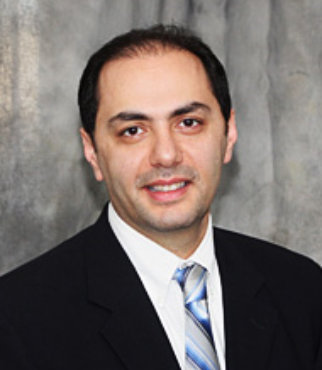
With more than a decade of experience as a dentist, Dr. Luke Klele uses current dental technology and treatment techniques to provide personalized care for each patient.
His experience includes surgical implants, mini implants, porcelain veneers and crowns, Lumineers, Invisalign, single-visit root canal treatment, and oral surgery.
This broad treatment experience allows Dr. Klele to evaluate complex dental concerns and develop a plan based on the patient's oral health, functional needs, and personal goals.
Call (973) 553-2512Learn how full mouth dental implant treatment may replace multiple missing or failing teeth.
Learn More →Explore dental implant treatment options for replacing one or more missing teeth.
Learn More →Find out what happens during a dental implant evaluation and treatment-planning visit.
Learn More →Learn where to turn when a dental problem requires prompt professional attention.
Learn More →Review important steps to take when a dental emergency occurs.
Learn More →Learn about prompt dental care when an urgent problem requires timely evaluation.
Learn More →Learn when tooth pain may require urgent dental evaluation.
Learn More →These answers provide general information. A personal examination is necessary to determine which treatment options may be appropriate for you.
Patients who have multiple dental problems affecting several teeth may be candidates. This can include missing teeth, broken or worn teeth, extensive decay, failing restorations, bite concerns, or difficulty chewing. A consultation is required to determine whether a coordinated reconstruction plan is appropriate.
No. Although full mouth reconstruction may improve the appearance of the smile, its primary purpose is to restore oral health, comfort, stability, and function. Cosmetic treatments may be included when appropriate.
No. Some patients may benefit from dental implants, while others may need crowns, bridges, veneers, root canal treatment, extractions, or a different combination of procedures.
The timeline depends on the number and type of procedures included in the treatment plan. Treatment involving dental implants, oral surgery, or healing periods may take longer than treatment involving restorations alone.
It may. Restoring damaged teeth, replacing missing teeth, and improving bite stability may help patients chew more comfortably. Your specific symptoms and treatment options will be evaluated during your consultation.
Depending on the patient's needs, treatment may include dental implants, crowns, bridges, veneers, root canal treatment, tooth extractions, oral surgery, or other restorative procedures.
If damaged, worn, broken, or missing teeth are affecting your comfort, appearance, or ability to eat, schedule a consultation with Luke Klele, DMD in Wayne, New Jersey.